Pot Odds and Outs: Poker Maths You Can Do in Ten Seconds
Count the cards that win the hand, double it, add a percent. That is most of the arithmetic a live game will ever ask of you.
· 8 min read
Poker is the only game in a casino where the price is set by someone who can be wrong. A blackjack dealer cannot misprice a hand and a roulette wheel has no opinion, but an opponent betting into you is quoting odds, and those odds are frequently bad. Pot odds are the arithmetic for noticing.
Step one: count the outs
An out is any unseen card that turns a losing hand into a winning one. Counting them is mechanical: work out what beats you, work out what would beat that, and count the cards that get you there.
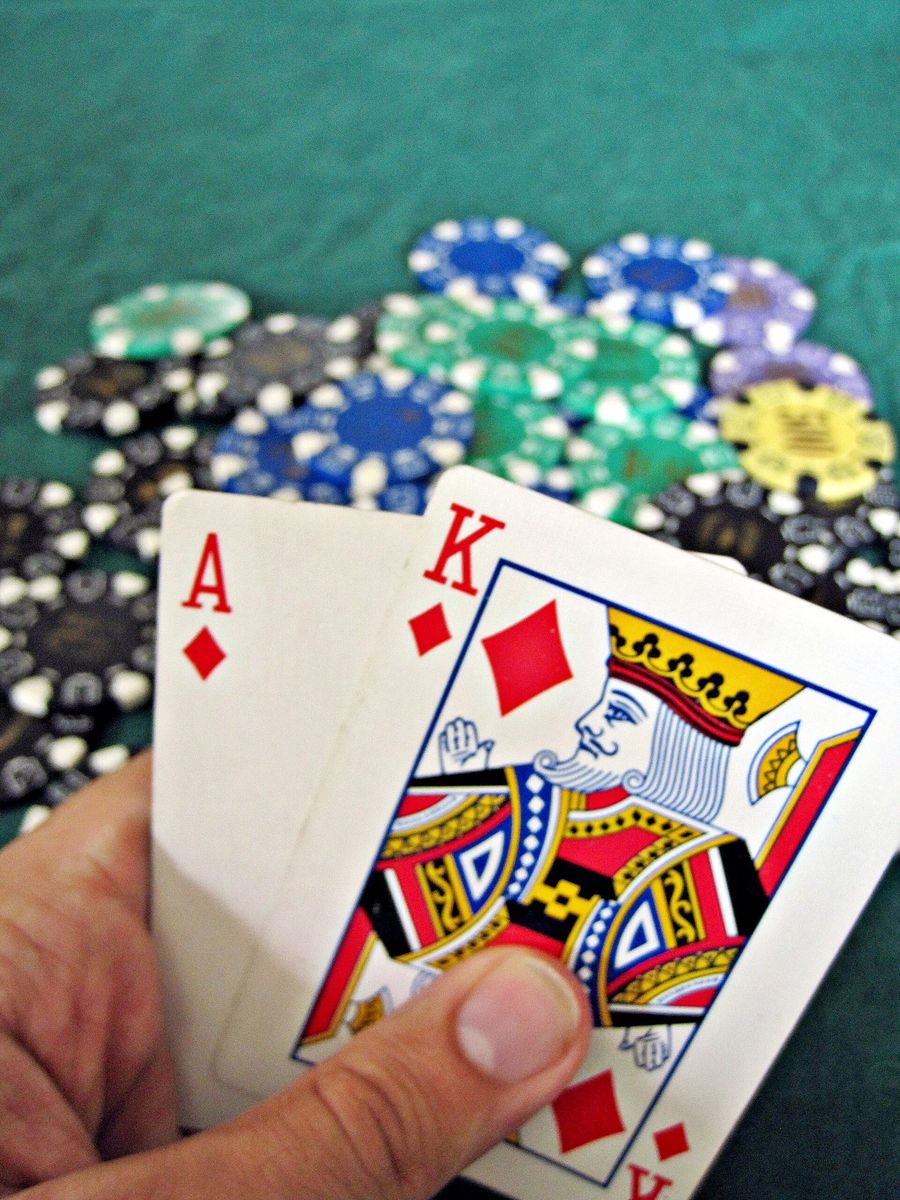
- Flush draw: four to a suit, thirteen of that suit in the deck, four already visible — 9 outs.
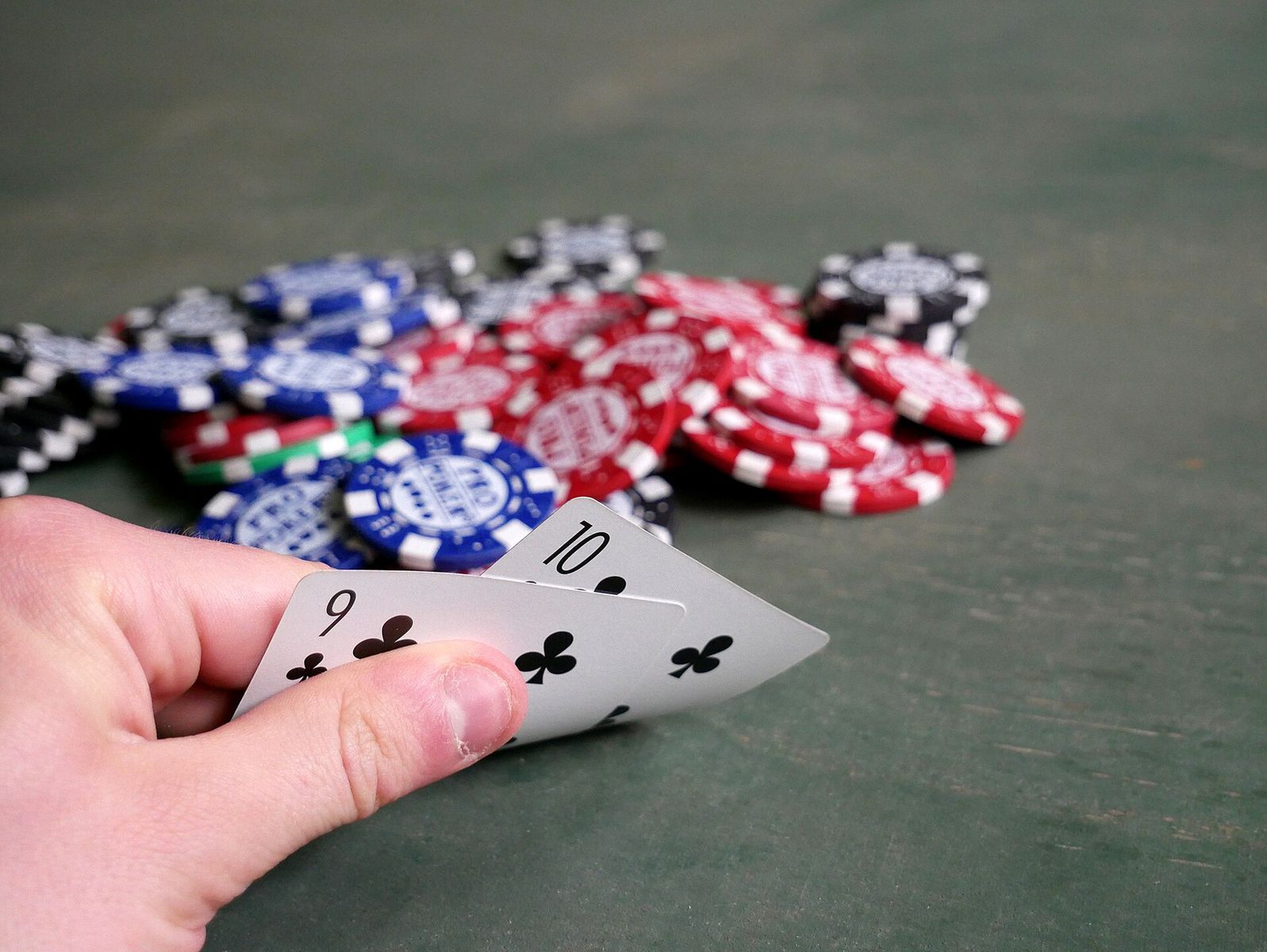
- Open-ended straight draw: two ranks complete it, four of each — 8 outs.
- Inside (gutshot) straight draw: one rank completes it — 4 outs.
- Two overcards: six cards pair one of them — 6 outs, though pairing may not be enough to win, which is the usual reason to count fewer.
- Flush draw plus open-ended straight: 15 outs, the largest common draw and a favourite against one pair.
Step two: turn outs into a percentage
The shortcut is called the rule of four and two, and Wikipedia states it plainly: multiplying the number of outs by two or four gives a reasonable approximation to the one-card and two-card percentages. Multiply by four with two cards still to come, by two with one.
| Draw | Outs | By the river (2 cards) | By the turn (1 card) |
|---|---|---|---|
| Inside straight | 4 | 17% | 9% |
| Two overcards | 6 | 24% | 13% |
| Open-ended straight | 8 | 32% | 17% |
| Flush draw | 9 | 35% | 19% |
| Flush + open-ended straight | 15 | 54% | 30% |
Flush-draw, open-ended and inside-straight figures are the ones given in the Wikipedia outs chart for Texas hold ’em. The six- and fifteen-out rows are computed directly, because the rule of four overestimates above about eight outs — it puts the fifteen-out draw at 60% when the real figure is 54%.
× 4, then × 2
Outs to equity: multiply outs by four with two cards to come, by two with one. Accurate to a point or two across every draw you will meet
Wikipedia, Texas hold ’em
Step three: turn the bet into a price
Pot odds are the cost of calling as a share of what you would be playing for:
pot odds = call ÷ (pot + call)
Pot of $100, opponent bets $20, you call $20 into a final pot of $140. Your price is 20 ÷ 140 = 14.3%. That is the equity your hand needs to break even, and it is exactly the implied probability of a betting price computed the same way as any other market.
With a flush draw and one card to come you hold about 19%. Nineteen beats fourteen-point-three, so calling makes money — and it makes money while losing four times out of five. The rule is simply: call when your equity exceeds your pot odds.
The prices behind the common bet sizes
| Bet size | Pot odds | Outs needed (1 card) | Outs needed (2 cards) |
|---|---|---|---|
| Quarter pot | 16.7% | 9 | 5 |
| Half pot | 25.0% | 13 | 7 |
| Two-thirds pot | 28.6% | 15 | 8 |
| Pot | 33.3% | 17 | 9 |
| Twice pot | 40.0% | 20 | 10 |
Pot odds = call ÷ (pot + call). The outs columns invert the rule of four and two: outs needed ≈ pot odds ÷ 2 for one card, ÷ 4 for two. A pot-sized bet asks for a full flush draw with two cards to come, and more outs than exist for one.
The last row explains why overbets work. A bet of twice the pot demands 40% equity, which with one card to come needs twenty outs — more than any real draw has. Against a pure drawing hand an overbet is unbeatable arithmetic, which is also why a thinking opponent will only face it with something better than a draw.
Implied odds, and where the estimate breaks
Pot odds assume no more money goes in. Often that is wrong: if you complete a flush, an opponent holding a strong hand may pay you again on the river. The extra money you expect to win when you hit is called implied odds, and it justifies calls that pot odds alone do not.
The mirror image is reverse implied odds — the money you expect to lose when you hit your hand and it is still second best. A small flush against a possible bigger one is the standard case: you complete the draw, feel good, and pay off. Both adjustments are judgement rather than arithmetic, which is exactly why they are where the difficulty in poker actually lives.
The ten-second version
- Count the cards that genuinely win the hand.
- Multiply by four with two cards to come, by two with one.
- Divide the call by the pot after your call.
- If the first number is bigger than the second, call.
Everything else in poker is harder than this and nothing else in poker is more important. The arithmetic is not what separates strong players from weak ones — every competent player has it. What it does is remove an entire category of loss: calls that felt right and were priced wrong, and folds that felt safe and cost real money.