Expected Value: The Only Number That Survives the Weekend
A winning night proves nothing and a losing one proves nothing. Expected value is the figure that describes what a decision is worth once the noise is averaged out.
· 7 min read
Ask someone whether a bet was a good idea and they will usually tell you whether it won. These are different questions, and confusing them is the most expensive habit in gambling. Expected value is the tool that keeps them apart.
The definition, and the only formula you need
Expected value is the average result of a decision if you could take it an unlimited number of times. Multiply each possible outcome by the probability of it happening, add the results together, and that is the number.
EV = (p₁ × outcome₁) + (p₂ × outcome₂) + …
Take a coin flip that pays you $2 for heads and costs you $1 for tails. Half the time you gain two, half the time you lose one:
EV = (0.5 × +$2) + (0.5 × −$1) = +$0.50
Every flip is worth fifty cents on average, even though no individual flip ever produces fifty cents. Half of them lose. Take the bet a thousand times and you finish around $500 up; take it four times and anything can happen.
+$0.50
The expected value of a coin flip paying $2 on heads and losing $1 on tails — a number that never once occurs as an actual outcome
Why a winning night proves nothing
Reverse the coin flip so heads costs you $2 and tails pays $1. The expected value is now −$0.50. It is a bad bet in every meaningful sense, and you will still win it 50% of the time. Someone who takes it four times and wins three has not found an edge; they have experienced variance and mistaken it for skill.
This is the entire relationship between a casino and a recreational player. The player has sessions. The casino has a sample size. Both are looking at the same expected value, and only one of them is playing long enough for it to appear.
Expected value on a casino floor
Every bet in a casino has a computable expected value, and every one of them is negative. It is simply the house edge with a dollar sign attached:
| Bet | Arithmetic | EV |
|---|---|---|
| Blackjack, basic strategy (liberal rules) | −0.28% × $10 | −$0.03 |
| Baccarat, banker | −1.06% × $10 | −$0.11 |
| Craps, don’t pass | −1.36% × $10 | −$0.14 |
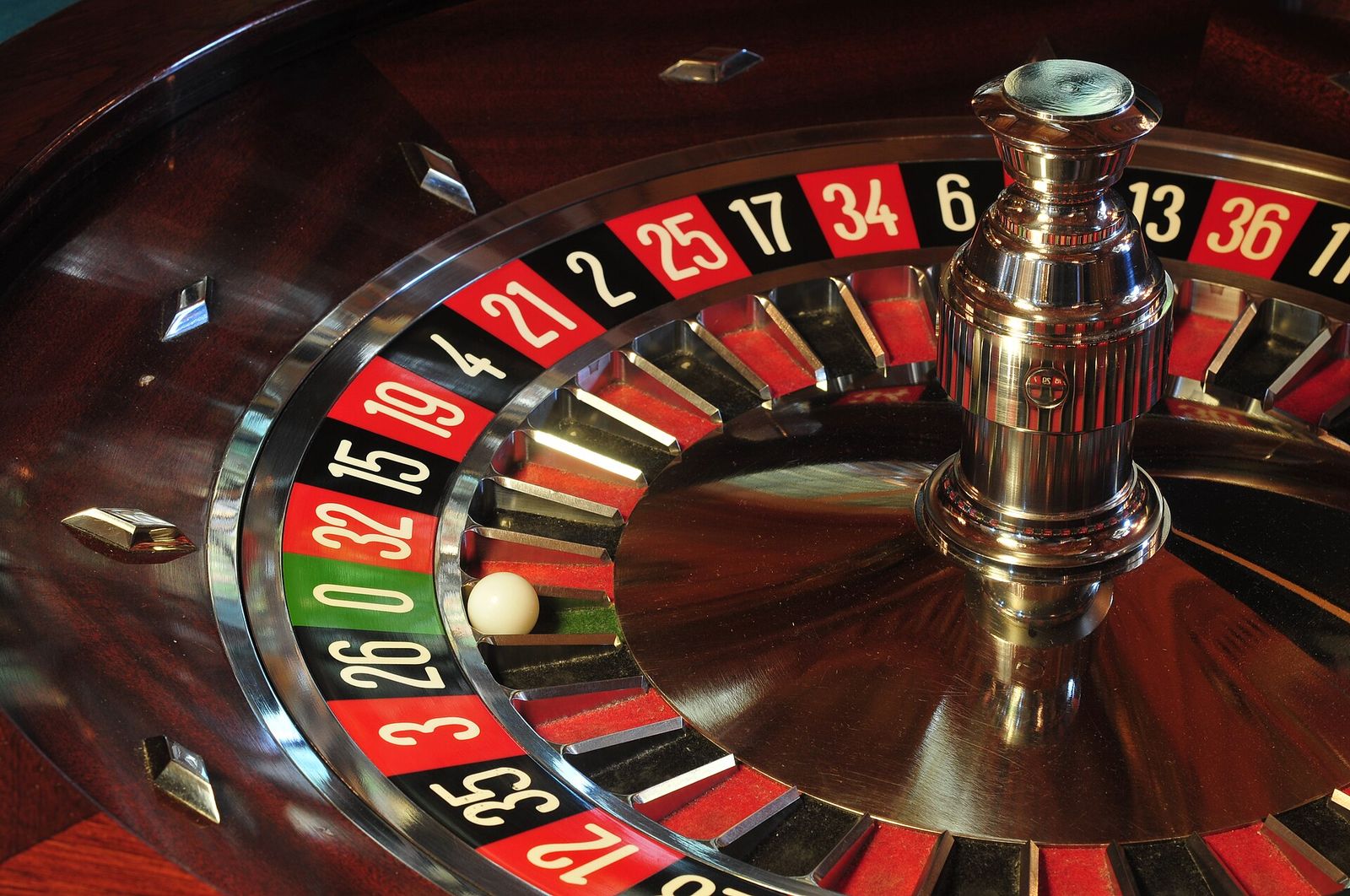
| Roulette, single zero, red | −2.70% × $10 | −$0.27 |
| Roulette, double zero, red | (18/38 × +$10) + (20/38 × −$10) | −$0.53 |
| Baccarat, tie at 8 to 1 | −14.36% × $10 | −$1.44 |
| Craps, Any Seven | −16.67% × $10 | −$1.67 |
House edge figures from the Wizard of Odds house-edge comparison; the roulette line is worked out from the 38-pocket wheel directly.
Where expected value can be positive
Against a house that sets the price, it cannot. Against other players who set it badly, it can — which is why poker is a different kind of game. In a hand of hold’em you are not being quoted a price by the casino; you are being quoted one by an opponent, and opponents make mistakes.
Suppose the pot holds $100, an opponent bets $20, and you hold a flush draw with one card to come. Nine cards complete the flush out of 47 you cannot see, so you will hit it about 19% of the time. Calling costs $20 and wins $120 when it works:
EV = (0.19 × +$120) + (0.81 × −$20) = $22.80 − $16.20 = +$6.60
The call makes $6.60 on average and loses four times out of five. Both of those statements are true at once, and only the first one is worth acting on. Folding here throws away $6.60 every time the situation arises — a loss that never shows up on any statement because it is made of money you never had.
Variance is not the enemy of expected value; it is the fog around it
Two bets can share an expected value and feel completely different. A coin flip for $1 and a lottery ticket with the same EV are the same decision on paper and nothing alike in practice, because the spread of outcomes around the average is enormous in one and tiny in the other.
That spread is variance, and it is what makes expected value hard to believe in. A player with a genuine edge can lose for months. A player with no edge at all can win for months. Over a long enough run the fog clears and the average asserts itself, but “long enough” is measured in tens of thousands of trials, not in evenings.
The practical use of the number
Expected value will not make a casino game profitable, because there is no casino game with a positive one. What it does is convert every choice into a price you can compare. Two hours at a single-zero wheel is a different purchase from two hours at a double-zero wheel, in exactly the way that two identical products at different prices are different purchases — and the difference is knowable before you sit down rather than after you get up.